Era Herbal

BOOK A FREE CONSULTATION
ARTICLES

Herbal Medicine Packaging Malaysia: High-Quality Solutions for a Growing Herbal Industry

The demand for herbal medicine packaging in Malaysia has grown significantly in recent years, driven by rising consumer interest in natural health products, traditional remedies, and wellness-based lifestyles. As Malaysia continues to strengthen its position as a regional hub for herbal manufacturing and export, the need for reliable, compliant, and attractive packaging solutions has become more important than ever.

High-quality packaging is not just about appearance—it plays a crucial role in product protection, shelf life, regulatory compliance, and brand identity. For herbal manufacturers, choosing the right packaging partner can directly influence product success in both local and international markets.

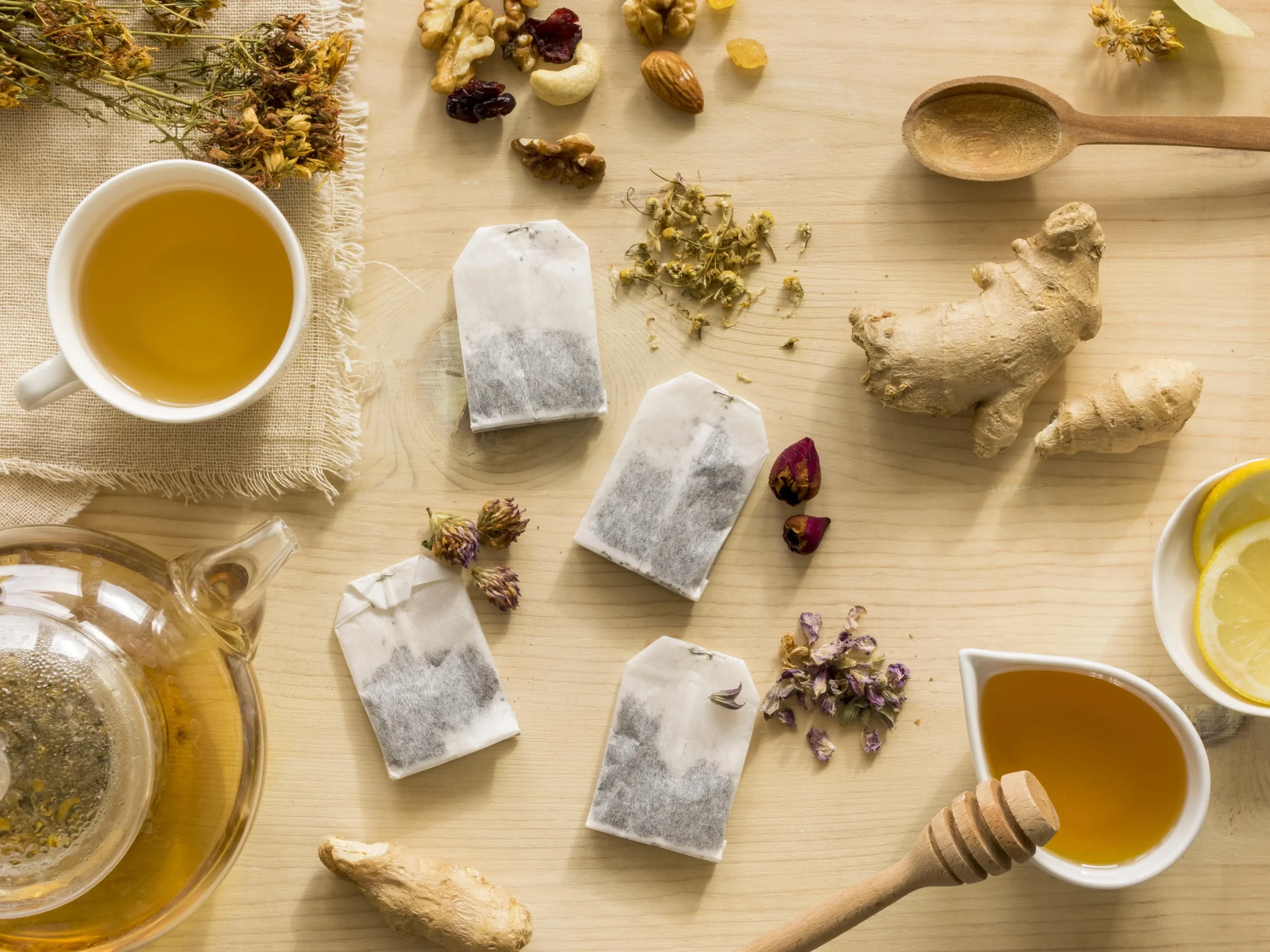
flat-lay-natural-medicinal-herbs-with-tea

The Importance of Herbal Medicine Packaging in Malaysia

In the herbal industry, packaging serves multiple essential functions. Unlike conventional products, herbal medicines often contain natural ingredients that are sensitive to heat, moisture, and light. Without proper packaging, product quality can deteriorate quickly, reducing effectiveness and consumer trust.

In Malaysia’s tropical climate, where humidity levels are high, packaging must provide strong barrier protection. This ensures that herbal capsules, powders, teas, oils, and extracts remain stable throughout their shelf life.

Additionally, packaging plays a vital role in regulatory compliance. Herbal products in Malaysia must adhere to guidelines set by authorities such as the National Pharmaceutical Regulatory Agency (NPRA). Proper labelling, ingredient disclosure, batch tracking, and expiry dates must all be clearly displayed on packaging.

Types of Herbal Medicine Packaging Solutions

The herbal industry in Malaysia uses a wide range of packaging formats depending on product type and market positioning. Some of the most common solutions include:

Bottles and Containers

Plastic and glass bottles are widely used for herbal capsules, tablets, and liquid extracts. These containers offer strong protection and are easy to label and customise. Amber or dark-coloured bottles are often preferred to protect light-sensitive ingredients.

Sachet Packaging

Sachet packaging is ideal for single-use herbal powders, drinks, and supplements. It is lightweight, convenient, and cost-effective, making it popular for consumer-friendly products and export markets.

Blister Packs

Blister packaging is commonly used for capsules and tablets. It offers excellent protection against moisture and contamination while providing precise dosage control. This format is widely accepted in both pharmaceutical and herbal industries.

Pouches and Stand-Up Bags

Flexible pouches are increasingly popular for herbal teas, powders, and dried herbs. They are resealable, visually appealing, and environmentally efficient compared to rigid packaging.

OEM Custom Packaging

Many herbal medicine packaging Malaysia providers offer OEM (Original Equipment Manufacturer) and private label services. This allows businesses to customise packaging design, branding, and labelling according to their target market.

Key Features of Quality Herbal Packaging

When selecting herbal packaging solutions in Malaysia, manufacturers must consider several critical factors to ensure product integrity and market competitiveness.

Barrier Protection

Packaging must protect herbal products from moisture, oxygen, UV light, and contamination. Multi-layer materials and airtight seals are commonly used to extend shelf life.

Food-Grade and Safe Materials

All packaging materials must be safe, non-toxic, and compliant with food and pharmaceutical standards. This is especially important for consumable herbal products.

Tamper-Evident Design

To ensure consumer safety and build trust, many herbal products use tamper-evident seals or closures. This helps prevent contamination and unauthorised access.

Sustainability

With growing environmental awareness, many Malaysian herbal companies are shifting towards eco-friendly packaging such as recyclable plastics, biodegradable materials, and reduced plastic usage.

Branding and Visual Appeal

Packaging is a key marketing tool. Attractive design, clear labelling, and professional branding help herbal products stand out on crowded retail shelves and e-commerce platforms.

Herbal Packaging and Industry Growth in Malaysia

Malaysia’s herbal industry is expanding rapidly due to increasing global demand for natural and traditional medicine. The country’s rich biodiversity and strong tradition of herbal remedies provide a solid foundation for product development and export growth.

As a result, herbal medicine packaging Malaysia has become a specialised sector supporting manufacturers, SMEs, and export-oriented brands. Companies are investing in advanced packaging technologies such as automated filling systems, vacuum sealing, and smart labelling to improve efficiency and quality.

Furthermore, Malaysia’s strategic location in Southeast Asia makes it an ideal export base for herbal products targeting markets such as Singapore, Indonesia, China, and the Middle East. Packaging plays a key role in ensuring products meet international standards and regulations.

Choosing the Right Herbal Packaging Supplier in Malaysia

Selecting the right packaging partner is essential for herbal businesses aiming for long-term success. A reliable supplier should offer:

  • Experience in herbal and pharmaceutical packaging
  • Compliance with NPRA and international standards
  • Customisation and OEM/private label services
  • High-quality materials and printing capabilities
  • Strong quality control processes
  • Scalable production for growing businesses


Working with an experienced supplier ensures that herbal products are not only well-protected but also market-ready and visually appealing.

Future Trends in Herbal Medicine Packaging

The future of herbal packaging in Malaysia is expected to be shaped by innovation and sustainability. Key trends include:

  • Smart packaging with QR codes for product traceability
  • Eco-friendly biodegradable materials
  • Minimalist and premium branding designs
  • Improved barrier technologies for longer shelf life
  • Increased automation in packaging production


These advancements will help Malaysian herbal brands remain competitive in the global wellness industry.

Conclusion

The demand for herbal medicine packaging in Malaysia continues to grow alongside the expansion of the herbal and natural health sector. High-quality packaging is essential for protecting product integrity, ensuring regulatory compliance, and building strong brand identity.

By investing in innovative, safe, and attractive packaging solutions, herbal manufacturers in Malaysia can enhance product value and successfully compete in both domestic and international markets. As the industry evolves, packaging will remain a key driver of growth, trust, and long-term success.

Frequently Asked Questions (FAQs)

1. What is herbal medicine packaging in Malaysia?

Herbal medicine packaging in Malaysia refers to specialised packaging solutions designed to protect herbal supplements, traditional medicines, herbal teas, powders, capsules, and liquid extracts. The packaging helps preserve product quality, ensure regulatory compliance, and enhance brand presentation.

2. What are the most common types of herbal medicine packaging?

The most common herbal packaging formats include bottles and containers, sachet packaging, blister packs, stand-up pouches, and OEM custom packaging. The choice depends on the product type, shelf-life requirements, and target market.

3. Why is sachet packaging popular for herbal products?

Sachet packaging is popular because it offers convenient single-serving portions, protects products from contamination, and is cost-effective for herbal powders, beverages, and nutritional supplements. It is also ideal for export and retail distribution.

4. How does blister packaging benefit herbal capsules and tablets?

Blister packaging provides excellent protection against moisture, air, and contamination. It also allows for accurate dosage management, making it a preferred packaging solution for herbal capsules, tablets, and nutraceutical products.

5. What materials are used in herbal medicine packaging?

Herbal medicine packaging commonly uses food-grade plastics, glass, aluminium foil, laminated films, and recyclable materials. These materials help maintain product freshness while meeting safety and quality standards.

6. Is herbal packaging required to comply with Malaysian regulations?

Yes. Herbal packaging must comply with relevant regulations and guidelines established by the Malaysian authorities, including packaging safety, labelling requirements, and quality standards for health and herbal products.

7. What is OEM herbal packaging?

OEM herbal packaging allows businesses to customise packaging designs, branding, labelling, and product presentation under their own brand name. It is commonly used by companies offering private label herbal supplements and wellness products.

8. How important is barrier protection in herbal packaging?

Barrier protection is essential because herbal products can be sensitive to moisture, oxygen, heat, and UV light. High-quality packaging materials help extend shelf life and maintain product effectiveness.

9. Are eco-friendly herbal packaging solutions available in Malaysia?

Yes. Many herbal medicine packaging suppliers in Malaysia offer sustainable options such as recyclable packaging, biodegradable materials, compostable pouches, and reduced-plastic packaging solutions to support environmental goals.

10. How does packaging influence herbal product branding?

Packaging plays a significant role in brand recognition and consumer trust. Professional designs, clear product information, attractive graphics, and premium finishes help herbal products stand out in retail stores and online marketplaces.

11. Can herbal packaging be customised for export markets?

Yes. Many packaging suppliers provide custom packaging solutions tailored to international market requirements, including multilingual labels, regulatory compliance, tamper-evident features, and export-ready packaging formats.

12. What should businesses look for in a herbal medicine packaging supplier in Malaysia?

Businesses should choose a supplier with experience in herbal and pharmaceutical packaging, strong quality control systems, OEM capabilities, custom printing services, compliance expertise, and scalable production capacity.

13. What are the latest trends in herbal medicine packaging Malaysia?

Current trends include smart packaging with QR codes, biodegradable materials, minimalist branding, premium packaging designs, advanced barrier technologies, and automated packaging systems that improve efficiency and product traceability.

14. Why is quality packaging important for herbal supplements?

Quality packaging protects herbal supplements from environmental factors, ensures product safety, maintains freshness, supports regulatory compliance, and enhances consumer confidence in the brand.

15. How can herbal medicine packaging help increase product sales?

Well-designed herbal packaging improves shelf appeal, communicates product benefits effectively, strengthens brand identity, and creates a positive customer experience, all of which can contribute to increased sales and customer loyalty.